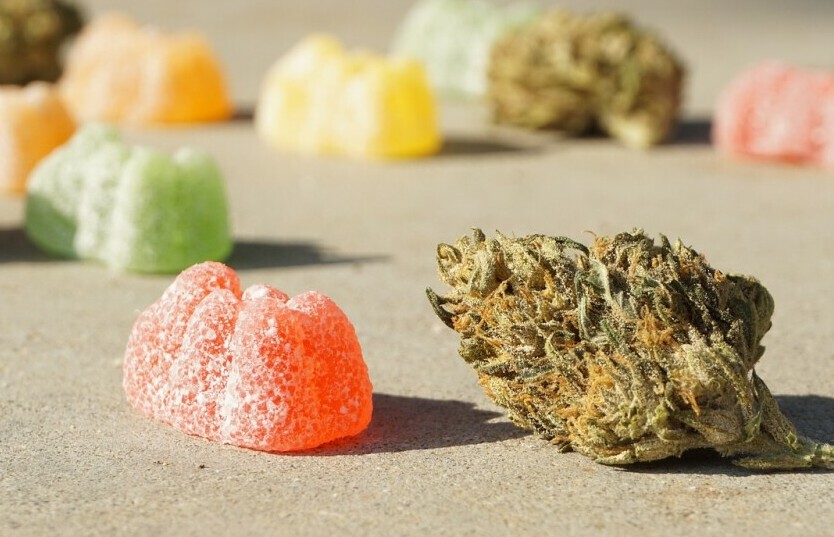

CBD Oil For Pain Relief

When I talk about CBD oil, I’m referring to a compound that comes from cannabis plants such as hemp and marijuana. These plants have various chemical compounds; the way they are bred significantly impacts their CBD levels. Usually, you’ll find that industrial hemp has more CBD than its counterpart, marijuana.

To create CBD oil, producers use several extraction methods to pull the compound from the plant. After extraction, it’s combined with a carrier oil – that’s when it becomes the CBD oil you’re familiar with. Not all CBD oil is created equal; it comes in a multitude of strengths, and people use it differently depending on their specific health concerns.

If you’re curious about its legality, it’s a bit of a mixed bag. The legal landscape is ever-evolving, but generally, CBD oil derived from hemp is legal in many places, given hemp’s low THC content – that’s the stuff in marijuana that gets you ‘high’.

Recognizing the potential therapeutic benefits of CBD, the National Centers for Complementary and Integrative Health acknowledges that there’s some evidence for its benefits in treating chronic pain. This statement paves the way for us to explore the intriguing realm of CBD as a remedy for various types of discomfort – a topic we’ll delve into with more depth in the next section. https://www.cbdpure.com/aff/C16DC59C13803801917A9BADE31EAA00/index.html

The Role of CBD Oil in Pain Management: Insight from Studies and Experts
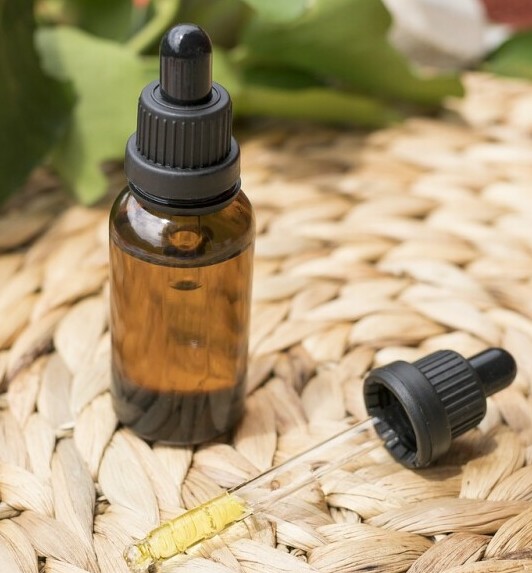
It’s crucial to look not just at the claims made about CBD oil but also at what the research tells us. A 2017 review that homed in on the effects of CBD for chronic neuropathy pain in humans showed promising results. In that review, which included 11 randomized controlled trials with over 1,200 participants, researchers found evidence that CBD could aid in managing this type of pain.

Bringing attention to specific conditions, such as arthritis, CBD oil’s potential doesn’t go unnoticed. Findings from a 2016 study on rats, published in the European Journal of Pain, indicated that CBD applied topically could help reduce pain and inflammation associated with arthritis—with the noteworthy mention of no additional side effects.

But the implications of CBD oil’s efficacy stretch beyond localized conditions. The report examined its use for general chronic pain management, pooling together findings from various trials and studies. The consensus? There’s substantial evidence pointing to cannabis, with its CBD component, as an effective treatment for chronic pain in adults.

Such research forms the bedrock of expert opinions. Notably, the absence of tolerance buildup, illustrated by a study in the Journal of Experimental Medicine, suggests that people wouldn’t necessarily need to increase their dose of CBD oil over time, marking an advantage over certain conventional pain medications.

While these glimpses of potential tell a compelling story, experts agree that more in-depth, long-term studies involving human subjects are essential to cement CBD oil’s role in pain therapy. Therefore, while many studies corroborate the pain-relieving properties of CBD oil, the final verdict still awaits more robust research.

Comparing CBD Oil with Traditional Pain Medications: Safety and Efficacy

When it comes to managing chronic pain, patients have a vast array of options, from over-the-counter drugs to prescription opioids. Yet, each of these solutions brings its own risk profile and side effects, which often leads individuals on a search for safer alternatives. Enter CBD oil, a contender that’s been gaining traction, not just for its effectiveness but also for its safety.

CBD oil posits a compelling case, primarily because it doesn’t share the intoxicating effects commonly associated with certain pain medications. This characteristic makes it a candidate for those seeking relief without the ‘high.’ Moreover, the possibility of suffering from fewer side effects puts CBD oil in a favorable light compared to many traditional painkillers.

On the matter of tolerance, a significant concern with many pain medications is the body’s adaptation, necessitating higher doses for the same effect over time. The existing research on CBD has brought hope, suggesting that users might not face this issue, allowing for consistent dosing. It’s a point that I find particularly noteworthy given the challenges of managing dosages in pain treatment.

While anecdotes about CBD oil providing relief are plentiful, they are just one part of the evidence. Personal stories are compelling, but they’re not a substitute for the robust, scientific investigations that are underway. I stress the fact that anyone considering CBD oil for pain should consult with a healthcare professional to explore its potential within the context of their individual health needs. https://www.cbdpure.com/aff/1EBA63DD32F0CC01917A9BAE1F1EAA00/index.html

I recognize the need for more in-depth research to confirm the promising position of CBD oil in pain management. Yet, based on what’s known today, it seems to be a hopeful option for those in search of gentler, potentially less risky ways to handle chronic pain. Always remember, though, that the journey to managing pain is as individual as the people experiencing it. http://www.wealthyaffiliate.com?a_aid=a6ffe100  

Cannabis Consumption Rituals Around the World

I’m going to take you on a fascinating trip across the globe, exploring the rich tapestry of cannabis traditions that have shaped cultures and societies for centuries. Cannabis isn’t just about recreational use; it’s also about the deep historical and spiritual significance it holds in various parts of the world.

In African tribes, cannabis wasn’t merely a plant; it represented a vital component of everyday life, cherished for its medicinal properties. It was a remedy well-integrated into daily routines, offering relief and healing. Meanwhile, in the breezy climates of the Caribbean, Rastafarians regarded cannabis as more than a plant – it was the embodiment of the sacred, a means to forge spiritual connections and enlightenment.

Today, you’re going to find out about how these age-old practices aren’t locked away in history. Instead, they cross over into the modern world, influencing how people use cannabis for meditation, focus, and relaxation. It’s fascinating to see the continuity of these practices and how they adapt to fit into our current lifestyles.

In India, the connection between cannabis and spirituality dates back thousands of years. Known locally as ‘ganja’ or ‘bhang,’ cannabis is deeply interwoven with the worship of Lord Shiva, playing a pivotal role during times of celebration, especially the vivid festival of Holi and the revered observance of Maaheshvari.

Shifting focus to China, we discover that the use of cannabis stretches back to ancient times, well-documented in historical texts for its therapeutic properties. Traditional Chinese medicine still recognizes cannabis as a valuable ally in combating pain, reducing inflammation, and promoting relaxation. 

Over in Morocco, especially within the Rif Mountains, the cultivation and processing of cannabis speaks to a cultural heritage passed down through generations. With traditional farming methods, the communal harvesting of cannabis becomes not just about the product, but also about social rituals and unity.

Looking down at the southern tip of Africa, South Africa’s ‘dagga’ culture captures a rich intersection of medicinal, spiritual, and recreational uses. And with the country’s recent nod towards legalization, a brighter spotlight shines on ‘dagga’ and its place in the nation’s social fabric.

I’ve given you a taste of cannabis culture’s global journey, but that’s just scratching the surface. A lot is happening very quickly in the world of cannabis, with traditions evolving to fit our modern era. This isn’t just a story of history; it’s a narrative of current practices and the changing perspectives surrounding a plant deeply rooted in the human experience.

Embracing Diversity: The Future of Cannabis Consumption

You might be wondering how these rich traditions across the globe translate into our lives today. Well, it’s clear that the past and present of cannabis use are deeply interwoven. In every corner of the world, the story of cannabis unfolds uniquely, tied to cultural norms, spiritual beliefs, and societal changes. But there’s more to these traditions than just history—they’re living practices that evolve and adapt. In modern times, as you can see, cannabis has become more than a plant; it’s a catalyst for social bonding, self-exploration, and a growing wellness movement.

As we walk through the landscapes of legal frameworks and varied consumption habits, it’s fascinating to witness how traditional uses have inspired contemporary practices. Cannabis rituals, once confined to specific communities or religious rites, now intermingle with our daily routines. From spiritual awakenings in the quiet dawn of a Rastafarian ceremony to the laughter-filled rooms of cannabis social clubs in Spain, the thread of cannabis weaves a vibrant pattern of human connection.

It’s important to remember the significance of approaching cannabis with a respectful and informed perspective. While legality and acceptance vary, honoring the cultural roots and medicinal properties remains a universal principle. As research deepens our understanding and legislation continues to evolve, the conversation around cannabis is not just about the plant itself—it’s also about its potential for fostering community, encouraging discourse, and enhancing quality of life.

In my opinion, looking ahead, the emphasis will likely be on education and safe consumption, as well as ensuring that the benefits of cannabis can be accessed responsibly by those who need it most. Opportunities for therapeutic applications are burgeoning, pointing to a future where cannabis continues to enrich our lives in meaningful ways. Just don’t focus too much on perfection; our understanding and integration of cannabis traditions are ongoing, and each step forward counts.

So, what’s the takeaway from this global overview of cannabis customs? Choose something that resonates with you, whether for relaxation, medical relief, or spiritual insight, and explore how the lessons of the past can inform your present experience. As the landscape of cannabis use transforms with time, so too does our shared journey with this remarkable plant. Let’s respect its rich tapestry of traditions as we navigate the ever-expanding world of cannabis culture.

Top Recommended Cannabis Products for Beginners

I’m going to introduce you to the world of cannabis, focusing on hassle-free experiences for beginners. First things first: dipping your toes into the cannabis universe shouldn’t be intimidating. That’s why I’m here to help you with straightforward product recommendations that’ll ease you in comfortably.

Low-dose edibles are a solid bet to get familiar with cannabis effects without going overboard. These inconspicuous treats often come in mouth-watering flavors, and their effects are more predictable when taken correctly. Choose something that resonates with you and remember, the ‘low dose’ part is crucial.



Pre- rolled joints

You’re going to find out about the ease of pre-rolled joints too. They’re ready-to-go right out of the package and are a hassle-free option. Ain’t nobody got time for rolling when you’re just beginning. Trust me, it’s nice to bypass that learning curve.

Disposables vape pens are also a gem for rookies. Easy to use, no buttons or settings to fiddle with, these are draw-activated, meaning you just inhale and relax. This is convenient as it gets, plus you don’t have to invest in any vaping paraphernalia.

Now, these options are not just about simplicity; they’re about being informed. New to cannabis or not, always look for reputable brands and places to purchase. It’s about having a positive, well-informed first experience. Stick with me, and I’ll make sure you’re getting the know-how to navigate your first cannabis encounter with confidence.

Navigating Your First Cannabis Experience Safely

I’m here to help you find your way through your initial forays into the world of cannabis. It’s important to understand that going slow and steady is crucial, and here’s why. When you’re starting with edibles, a 1:1 ratio of THC to CBD at a small dose of around 2.5mg each is a wise choice. This approach moderates the psychoactive effects while allowing the CBD to provide a calming counterbalance.

If you’re leaning towards that first edible, consider this: always cut it in half if it’s a 5mg dose, ensuring you start with 2.5mg. Make a note to take it after you’ve eaten; it’ll help your system handle the new experience. And don’t rush—give it at least 45–60 minutes before you think about taking more. This waiting period can be crucial; it allows time for the effects to manifest. If you’re not feeling much after half an hour, hold tight, the experience can take a little longer to develop.

Now, let’s talk about duration—effects can last from 2 to 6 hours, and you don’t want to be caught off guard. This is why it’s essential to avoid consuming more too quickly. When looking at flower options, pay close attention to the THC percentages. Higher isn’t always better, especially not for beginners. The same goes for edibles; always check the THC mg.

Remember, you can never consume less; once you’ve taken it, you’re on the ride. Start conservatively to avoid overwhelming feelings like anxiety or bewilderment, and if you’re venturing into edibles, give your body the time it needs to metabolize the effects properly before considering more.

In my opinion, the most overlooked part of exploring cannabis is the reflection after use. Take a moment after your experience to contemplate how you felt, what you enjoyed, and what you’d prefer to avoid in the future. This self-awareness will guide you towards more enjoyable and comfortable experiences with cannabis.

Exploring The Anti-Inflammatory Properties Of Cannabis

My interest in the health potential of cannabis led me to focus on cannabidiol, or CBD. This compound is a cornerstone in the phytochemical landscape of cannabis, with a well-documented portfolio of benefits. While CBD doesn’t induce a high like its cousin THC, it has become notable for its therapeutic prowess, particularly when it comes to anti-inflammation.

CBD’s strength lies in its multifaceted pharmacological effects. Despite being non-psychoactive, it boasts not only anti-inflammatory and antioxidant capabilities but also a host of other benefits. For many, these include mood regulation and nerve protection without the intoxicating effects typically associated with cannabis.

Pinpointing just how CBD exerts its anti-inflammatory influence involves looking at the body’s own complex network: the endocannabinoid system. This system plays a pivotal role in maintaining balance within our bodies, and CBD interacts with it, particularly at the cannabinoid receptors. It’s through these interactions that CBD is believed to modulate inflammation and assist in managing pain.

CBD’s potential extends into several diseases often characterized by inflammation and oxidative stress, such as cardiovascular issues, neurodegenerative conditions, and even cancer. Its broad potential is why researchers are so invested in unlocking its secrets. In doing so, they offer hope for new, more natural forms of relief.

Clinical Insights: CBD as a Therapeutic Agent

The growing body of clinical evidence points to CBD’s potential as a therapeutic agent, particularly in the management of diabetes and related complications. The pharmacological profile of this non-psychoactive cannabinoid includes noteworthy actions, such as its ability to induce vasodilatation and its therapeutic effects on neuropathic conditions, which are pivotal for patients with diabetes.

Studies have demonstrated that the activation of cannabinoid receptor CB2 can lead to improved blood flow, addressing one of the key issues in diabetic health. This finding is complemented by CBD’s activation of 5-HT1A receptors, illustrating how it alleviates pain associated with diabetic neuropathy – a relentless challenge for many sufferers.

Moreover, the capacity of CBD to expedite wound healing represents a crucial advancement for diabetes care. Its role in preserving endothelial growth factors is fundamental in maintaining healthy blood vessels, paramount in diabetes management. It’s this protective nature of CBD that also contributes to its response against oxidative stress in the retina, fortifying it against cellular damage.

What’s compelling is the consistency of results across various studies aiming to investigate the anti-inflammatory properties of CBD. While the depth of this Phyto cannabinoid’s abilities is still being mapped out, its proven interaction with multiple receptors and pathways cements its status as an agent worth considering in the perpetual fight against inflammatory and oxidative maladies.

In conclusion, the assertion that CBD carries anti-inflammatory potential is well-supported by scientific inquiry. However, the promise of CBD as a panacea for all inflammatory conditions remains tempered by the need for ongoing research. What is clear, though, is that CBD’s diverse pharmacological effects are enough to consider its careful integration into treatment regimes, especially for disorders where inflammation is a notorious antagonist.

How Marijuana Can Aid In Pain Management

Pain acts as a crucial alarm system. When something isn’t right in our bodies, it’s pain that signals us to pay attention. Accidents or illness trigger this discomfort, prompting us to seek professional help. But treating pain isn’t straightforward. Its roots are diverse and sometimes mysterious, leading to a predicament in medical treatment. 

I see this conundrum reflected in the day-to-day struggles of many. A significant number of individuals live with chronic pain, wrestling with its impact on their quality of life. The hunt for effective, tolerable pain medication is ongoing. It becomes arduous when sufferers must balance pain relief against the substantial adverse effects of strong pharmaceuticals. That’s why some are turning their gaze back to an ancient remedy: marijuana.

Doctor giving CBD

Throughout history, societies have turned to nature’s bounty for cures. Marijuana is one such gift, known for its palliative abilities across a range of conditions. The earliest records of its use in pain relief date way back, and today, its resurgence is fueled by a modern understanding of medicine. From easing the discomfort of arthritis to the acute pangs of childbirth, marijuana’s scope in pain management has long been acknowledged.

In my conversations with individuals living with pain, marijuana often comes up as a turning point in their treatment. They mention how it has brought comfort where standard medical approaches fell short, highlighting the profound nature of its effects on debilitating conditions.

Marijuana’s Mechanisms in Alleviating Pain

When you hear about marijuana in the context of medical treatment, it might spark a mix of reactions. For some, it’s a controversial topic, but it’s important I share objective information based on current understanding and research. The key compounds in marijuana thought to be responsible for its pain-relieving effects are cannabinoids. Now, there are many cannabinoids, but THC and CBD are the most well-known and researched.

These substances exert their effects by mimicking compounds our bodies naturally produce, called endocannabinoids, which play a role in regulating pain and inflammation among other physiological processes. By interacting with cannabinoid receptors, primarily CB1 and CB2, found throughout the body, cannabinoids from marijuana can alter the perception of pain. THC, for instance, binds with CB1 receptors in the brain and can reduce pain perception. CBD, while not strongly binding to these receptors, is thought to work by preventing the breakdown of endocannabinoids, therefore prolonging their effect.

Beyond this receptor interaction, marijuana constituents have been observed to have direct analgesic and anti-inflammatory properties. This means they can reduce pain not just by changing the way the brain perceives it but also by addressing the inflammation that often accompanies pain.

There’s also something fascinating known as the ‘entourage effect.’ This refers to the combined effect of the various compounds found in the whole cannabis plant, which can be greater than the sum of its parts when used to treat pain. While CBD oil and other isolated components have their merits, some researchers suggest that whole-plant preparations may lead to more significant clinical benefits for patients.

In summary, the role of marijuana in pain management extends much further than mere symptom masking. It offers a multifaceted approach to pain relief through several biochemical pathways. These include modulating neurotransmitters that send pain signals, reducing inflammation, and maximizing the therapeutic potential of the entire plant’s constituents, which could mean improved quality of life for those dealing with chronic pain.

Evidence-Based Insights: Cannabis and Chronic Pain

Research in recent years has yielded promising results about cannabis and its efficacy in treating chronic pain. Studies have shown that both whole-plant cannabis and individual components like CBD oil can have a significant impact on chronic pain management. This means that for some, cannabis could offer a desirable alternative to traditional pain medications which often come with severe side effects.

It’s important to distinguish the differences in outcomes between using isolated components and the whole plant. While isolated components can provide insight into specific therapeutic actions, it is the whole-plant or “entourage effect” that appears to maximize pain relief due to the synergistic function of cannabinoids and terpenes found in the entire plant.

Personal accounts from patients who have turned to cannabis after traditional treatments failed them often highlight substantial pain relief. This anecdotal evidence, coupled with ongoing clinical research, supports the notion that cannabis has a legitimate place in the pain management toolkit.

Looking ahead, the key to unlocking the full potential of cannabis in pain relief lies in further study. Continuing to investigate how various cannabinoids and their interactions impact pain will pave the way for new, more effective treatments. With careful research and consideration, cannabis could well become a cornerstone of pain management, transforming the lives of those who have been searching for a reprieve from chronic pain.

The Medicinal Uses Of Marijuana

I remember when marijuana was primarily known for its role in pop culture, often surrounded by controversy. However, through careful research and countless testimonials, it has revealed itself as much more than a topic of debate. It’s a source of relief for many suffering from various medical conditions. In this article, I’ll explore how marijuana has transitioned from stigmatized substance to respected medicinal ally.

The history of marijuana as a healing herb stretches back thousands of years, used by ancient civilizations for its therapeutic properties. But it’s not the ancient past that has clinched the compound’s modern medical relevance; it’s the rigorous scientific scrutiny that has revealed the promise nestled within its leaves.

The real stars of marijuana’s medicinal lineup are compounds like THC and CBD. THC, or tetrahydrocannabinol, is known for its pain-relieving properties and is the primary psychoactive component. Then there’s CBD, or cannabidiol, which has gained fame for its calming effect and lack of psych activity, making it an attractive option for patients looking for relief without the high.

Understanding the difference between recreational and medicinal marijuana is crucial. While the former is often associated with ‘getting high,’ the latter is used in a medical context, focusing on symptom management and therapeutic benefits. This distinction is important because the goal of medicinal use is to alleviate suffering and enhance quality of life, often within a regulated framework to ensure safety and efficacy.

Next, I will delve into specific health issues that marijuana has been known to alleviate, keeping in mind that my focus is on how it can serve as a tool for healing and why it continues to garner attention from the medical community.

Marijuana as a Multifaceted Medicinal Ally

The recognition of marijuana’s therapeutic properties has been gaining steady momentum over recent years. This plant, once dismissed by many in the medical community, now serves as a cornerstone treatment for various conditions. Here’s a closer look at how marijuana offers symptomatic relief for a range of ailments.

For those grappling with severe and chronic pain, marijuana emerges as a powerful analgesic. Studies have shown that marijuana can mitigate pain that’s resistant to other treatments. Its efficacy is particularly noted in neuropathic pain, often experienced by patients with conditions such as diabetes or shingles.

Muscle spasms are not only painful; they significantly reduce quality of life. Marijuana is earning acclaim, especially among individuals with Multiple Sclerosis, for its ability to alleviate spasmodic episodes and in turn, improve mobility and daily comfort.

Cancer treatment can often lead to severe nausea and vomiting, a side effect that’s crippling for patients already enduring the stress of fighting the disease. Marijuana has been documented to ease these symptoms, sometimes when traditional medications fail, hence playing a crucial role in cancer care support.

Epilepsy is characterized by recurrent seizures that are disruptive and dangerous to the patient. The introduction of marijuana, specifically CBD-rich strains, has been a breakthrough for some patients, particularly those with treatment-resistant forms of epilepsy.

Among the other neurological avenues being explored is marijuana’s potential in slowing or altering the progression of Alzheimer’s disease and amyotrophic lateral sclerosis (ALS). This area, yet pioneering, shows promise in the early-stage findings.

Handling gastrointestinal (GI) disorders with marijuana is another area where patients have reported improvement. Conditions like Crohn’s disease and irritable bowel syndrome are seen to benefit from marijuana’s anti-inflammatory effects.

Finally, the antiemetic qualities of marijuana are also harnessed in treating wasting syndrome, commonly seen in HIV/AIDS patients. By mitigating nausea and stimulating appetite, marijuana can prevent severe weight loss and contribute to improved overall health outcomes.

Beyond Symptom Management: Marijuana’s Therapeutic Horizon

I’ve shared insights on how marijuana offers significant relief for various medical conditions, ranging from chronic pain to epilepsy. But I feel it’s crucial to understand that the healing scope of marijuana extends far beyond just easing symptoms; it may well be laying the groundwork for a therapeutic revolution. Let me take you through some forward-looking aspects of medical marijuana and its potential future in medicine.

It’s fascinating to see the anti-inflammatory properties of marijuana taking center stage, not only for their immediate relief but for potential long-term health benefits. Researchers are examining how these properties might combat some of the chronic diseases we struggle with. Considering the wide-scale issues with inflammation-related illnesses, the implications here are vast.

Then there’s the potential in cardiovascular health – where studies hint at the role of marijuana in potentially managing blood pressure. This could be a game changer for the millions grappling with hypertension and its complications every day.

Addressing addiction head-on, marijuana may play a pivotal role in the journey toward recovery. Its application in helping prevent relapse in individuals struggling with drug and alcohol addiction is a beacon of hope and could reshape addiction therapy.

Moreover, the positive outcomes in treating mental health conditions like anxiety disorders and PTSD with marijuana prove we’re just scratching the surface of what could be possible with this plant’s anxiolytic and therapeutic properties.

Looking forward, we must emphasize the need for continued research. Although many use marijuana for medicinal purposes, we’re still at the dawn of understanding its full potential. Strengthening the legal and ethical frameworks that support clinical studies could unleash further discoveries and cement marijuana’s place in the modern therapeutic arsenal.

In conclusion, as we continue to untangle the complexities of marijuana and its full spectrum of medicinal advantages, it’s evident that its role in health and medicine could expand considerably. With responsible research and ethical application, we’re poised to uncover even more ways this age-old plant can contribute to healing and well-being.